The Association Between Neovascular Age-Related Macular Degeneration and Aspirin Use: Latest Findings but Not the Final Word
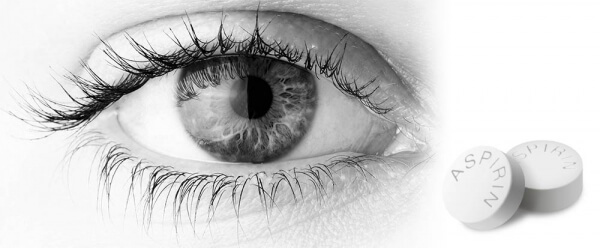
Australian researchers examined data from a large population-based study and found a statistically significant association between frequent aspirin use over 15 years and the development of neovascular (wet) age-related macular degeneration.
When compared with other studies in the Blue Mountains Eye Study, participants who reported using aspirin at least once a week were twice as likely to develop wet age-related macular degeneration, according to findings published in the Journal of the American Medical Association (January 21, JAMA Internal Medicine – Archives of Neurology).
The probability of developing wet age-related macular degeneration was 2.46% among those taking aspirin, after adjusting for various other factors (age, sex, smoking, history of cardiovascular disease, blood pressure, and body mass index).
No association was found with geographic atrophy.
Fear to the point of death?
The ongoing publication of these studies has increased concerns that elderly patients may fear for their lives if they stop taking aspirin, since many must use it preventively to avoid heart attacks and strokes.
This is a public health issue, because the protective benefits of aspirin are well established. Some patients could even die if they stop taking aspirin for a cardiac condition.
Even if aspirin is eventually confirmed as a risk factor for age-related macular degeneration, the absolute risk is already known to be very small, around 1% in those who take aspirin and 0.5% in those who do not.
This doubled risk may sound alarming, but the actual risk of advanced age-related macular degeneration among aspirin users (in the Beaver Dam Study) is 1% versus 0.5% in non-users, a difference that is not clinically significant.
However, in another study of age-related eye disease [Age-Related Eye Disease Study (AREDS 2)], those taking aspirin were found to be at lower risk of developing wet age-related macular degeneration. These findings have been presented at conferences but have not yet been published (as of April 2013).
From a strictly medical standpoint, there is not yet strong evidence that aspirin significantly increases the risk of wet age-related macular degeneration, and therefore no clinical guideline has been issued.
Based on current but limited data, several management approaches are suggested for thoughtful clinicians:
- Secondary prevention: Maintain the current approach, because strong evidence supports the benefits of aspirin therapy outweighing potential risks.
- Primary prevention: Carefully weigh the risks and benefits. For patients who, according to current international guidelines, should take aspirin due to high risk of heart attack or stroke, “the presence or absence of strong risk factors for developing wet age-related macular degeneration may guide the decision in one direction or the other.”
- Other uses of aspirin: Be cautious when taking aspirin for pain relief in various conditions.
Αυστραλοί ερευνητές ανέλκυσαν τα στοιχεία από μια μεγάλη πληθυσμιακά μελέτη και βρήκαν στατιστικά σημαντική σχέση μεταξύ της επί 15 χρόνια συχνής χρήσης ασπιρίνης και την εμφάνιση υγρής μορφής ηλικιακή εκφύλιση ωχράς κηλίδας (νεοαγγειακή μορφή).
Συγκρίνοντας την με άλλες μελέτες στην Blue Mountains Eye Study, οι συμμετέχοντες στην έρευνα που ανέφεραν χρήση ασπιρίνης τουλάχιστον μια φορά την εβδομάδα είχαν διπλάσια πιθανότητα να αναπτύξουν υγρής μορφής ηλικιακή εκφύλιση ωχράς κηλίδας σύμφωνα με την μελέτη που δημοσιεύθηκε στο JOURNAL OF AMERICAN MEDICAL ASSOCIATION (January 21 by JAMA Internal Medicine - Archives of Neurology).
Η πιθανότητα ανάπτυξης υγρής μορφής ηλικιακής εκφύλισης ωχράς κηλίδας ήταν 2,46 % σε αυτούς που έπαιρναν ασπιρίνη μετά από συνυπολογισμό και των διαφόρων άλλων παραγόντων (ηλικία, φύλο, κάπνισμα, ιστορικό καρδιαγγειακών παθήσεων, αρτηριακή πίεση, και ο δείκτης μάζας σώματος).
Δεν υπήρχε συσχέτιση με την γεωγραφική ατροφία.
Φόβος μέχρι θανάτου;
Η συνεχιζόμενη δημοσιοποίηση των μελετών έχει αυξήσει τις ανησυχίες ότι οι ηλικιωμένοι ασθενείς θα φοβούνται για τη ζωή τους αν σταματήσουν να παίρνουν ασπιρίνη αφού πρέπει να την παίρνουν για να προληπτικούς λόγους για την αποφυγή εμφραγμάτων και εγκεφαλικών επεισοδίων.
Είναι θέμα δημόσιας υγείας, γιατί είναι γνωστή και σαφής η μεγάλη προστασία που παρέχει η ασπιρίνη. Μερικοί ασθενείς ίσως και να πεθάνουν αν σταματήσουν να παίρνουν ασπιρίνη για το καρδιολογικό τους πρόβλημα.
Ακόμα και αν η ασπιρίνη επιβεβαιώθηκε ότι είναι παράγοντας κινδύνου για την εμφάνιση ηλικιακής μορφής εκφύλιση ωχράς κηλίδας, είναι ήδη προφανές ότι ο κίνδυνος είναι πολύ μικρός σε απόλυτους αριθμούς και είναι γύρω στο 1% σε αυτούς που παίρνουν ασπιρίνη και 0.5 % σε αυτούς που δεν παίρνουν ασπιρίνη.
Ο διπλάσιος αυτός κίνδυνος ακούγεται πολύ φοβερός, αλλά ο πραγματικός κίνδυνος για τελικής μορφής ηλικιακή εκφύλιση ωχράς κηλίδας σε όσους ανθρώπους έπαιρναν ασπιρίνη (στην μελέτη the Beaver Dam Study) είναι 1% έναντι στο 0,5 % σε εκείνους που δεν έπαιρναν , και ο οποίος κίνδυνος αυτός δεν είναι κλινικά σημαντικός.
Όμως αντίθετα , στην δεύτερη μελέτη για τις παθήσεις των ματιών λόγω της ηλικίας [Age-Related Eye Diseases Study (AREDS 2)], βρέθηκε ότι αυτοί που έπαιρναν ασπιρίνη ήταν σε χαμηλότερο κίνδυνο να αναπτύξουν υγρής μορφής ηλικιακή εκφύλιση ωχράς κηλίδας. Αυτό το στοιχείο έχει ήδη παρουσιαστεί σε συνέδρια αλλά όμως δεν έχει ακόμα δημοσιευθεί μέχρι σήμερα (Απρίλιος 2013).
Από καθαρά ιατρικής άποψης, δεν υπάρχει πολύ ισχυρή απόδειξη για τον επιβαρυντικό ρόλο της ασπιρίνης στην εμφάνιση της υγρής μορφής ηλικιακή εκφύλιση ωχράς κηλίδας, και γι' αυτό δεν έχει δοθεί οδηγία για κλινική εφαρμογή.
Απλά λαμβάνοντας υπ’ όψη τις ήδη υπάρχουσες αλλά περιορισμένες ενδείξεις , υπάρχουν μερικές οδοί δράσης για τον σκεπτόμενο κλινικό ιατρό.
Πολλοί προτείνουν τη μέση οδό, με εξατομικευμένη αντιμετώπιση λόγω των αναγκών του κάθε ασθενούς:
- Δευτερογενής πρόληψη: να κρατηθεί το status quo, γιατί υπάρχει ισχυρή ένδειξη ότι η τα πλεονεκτήματα από τη λήψη ασπιρίνης υπερέχουν από τους πιθανούς κινδύνους.
- Πρωτογενής πρόληψη: προσεκτικά να υπολογιστούν οι πιθανοί κίνδυνοι και τα πλεονεκτήματα. Σε ασθενείς, κάτω από τις σημερινές διεθνείς οδηγίες, οι οποίοι είναι επιθυμητό να παίρνουν θεραπεία με ασπιρίνη ,λόγω του υψηλού κινδύνου που έχουν να πάθουν έμφραγμα ή εγκεφαλικό, τότε ‘’η παρουσία ή η απουσία δυνατών παραγόντων κινδύνου για εμφάνιση υγρής μορφής ηλικιακή εκφύλιση ωχράς κηλίδας, μπορεί να στρέψει την απόφαση της θεραπείας σε μια κατεύθυνση ή στην άλλη.
- Άλλες χρήσεις της ασπιρίνης: Να είστε προσεκτικοί όταν παίρνετε ασπιρίνη για μείωση του πόνου σε διάφορες καταστάσεις.